Big Sky Outdoors
Montana Hunting Season and Cannabis: The Etiquette Frame
Montana hunting season is a big deal. Cannabis and hunting don't mix during the hunt itself. The etiquette matters to the camp, not just the law.
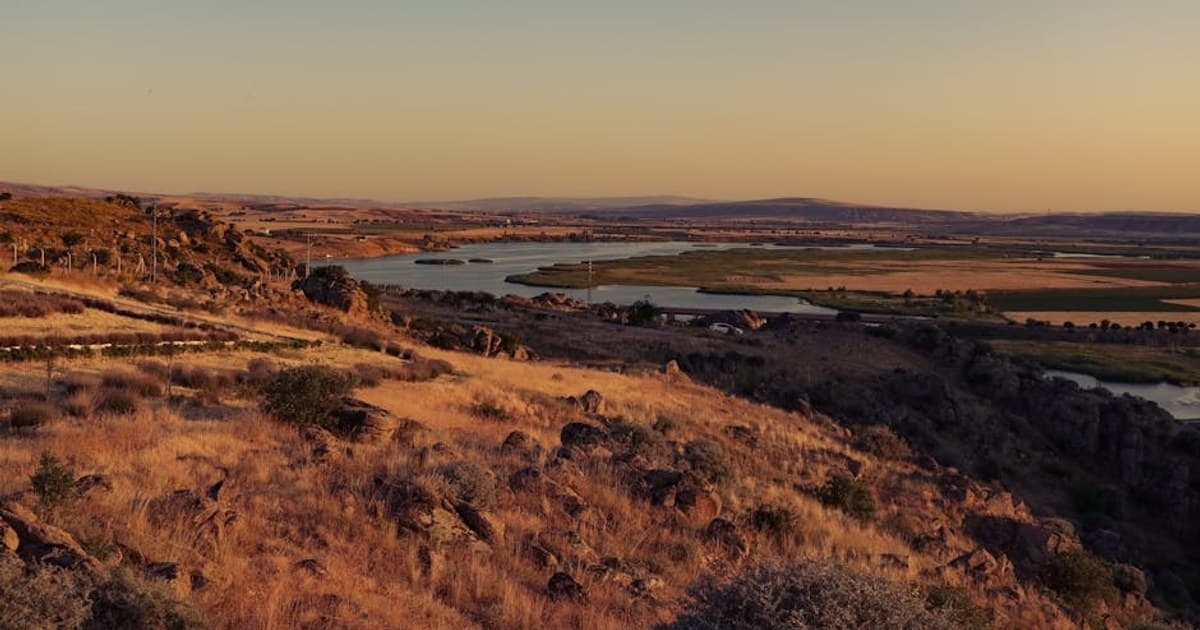
Photo by Feyza Daştan on Pexels
Montana hunting season runs from the early archery season in September through the general rifle season's close in late November, with shoulder-season hunts for black bear, upland birds, and waterfowl stretching the calendar further. It's one of the defining cultural seasons of the state, especially in the eastern plains and the foothill ranches. Cannabis and a hunting trip intersect in specific ways, and the etiquette question matters as much as the law.
The Firearms Reality
Hunting under the influence of cannabis is a hard no. Montana's impairment laws apply to the handling of firearms; the practical safety considerations on a shared camp with rifles, shotguns, and ammunition are obvious. Impaired judgment around firearms is the source of a meaningful share of the state's hunting incidents. Cannabis stays entirely out of the hunting day itself, with any consumption deferred to a non-hunting evening and the full 8+ hours before the next morning.
The Montana Fish, Wildlife & Parks regulations treat hunting-while-impaired the same way the state treats driving-while-impaired. A DUI-level enforcement for hunting can lose hunting privileges, trigger fines, and carry over to vehicle-license consequences.
Camp Culture
Hunting camps in Montana run on a specific culture — early nights, pre-dawn wake-ups, shared meals, and a sober focus on the next day's hunt. Cannabis fits poorly into the active hunting camp. Even if every adult 21+ in the camp is legally permitted to consume and personally fine with the idea, the physical proximity to firearms and the shared early-morning schedule make it a poor match.
The cleaner approach: the consumption window is the post-hunt drive back to town, at the private rental or motel room, after firearms are secured and cleaned. A low-dose edible or small amount of flower to wind down from a 14-hour hunting day fits the rhythm without crossing into the hunting window itself.
The Landowner Factor
Hunting on private Montana land runs on landowner permission, and the ranch owners who grant that permission are typically not cannabis consumers. Bringing product onto a hunting lease — even for post-hunt consumption at the bunkhouse — is a way to lose the permission quickly. The cleaner version keeps cannabis entirely in town, at the hotel or rental, not at the ranch itself.
The Public-Land Rule
Many Montana hunts happen on Block Management Access land, federal Forest Service lands, or BLM acreage. Federal law prohibits cannabis on federal land regardless of Montana legality. Montana state law prohibits cannabis consumption on state-owned land and in public spaces. This covers every WMA, every state forest, and every public trailhead. Licensed dispensaries throughout the state sell to adults 21+ with valid ID; verify licensed status via the Montana Department of Revenue Cannabis Control Division at mtrevenue.gov/cannabis/.
Compliance, Quickly
- 21+ only at every dispensary and for every purchase
- Verify licensed status via the Montana Department of Revenue Cannabis Control Division at mtrevenue.gov/cannabis/
- Hunting under the influence is a DUI-equivalent violation in Montana
- Federal law prohibits cannabis on all federal forest, park, and BLM land
- Montana state law prohibits cannabis consumption on state-owned land and in public spaces
- Camp etiquette: keep cannabis out of the hunting camp itself
- Start low, go slow if consuming at a post-hunt private rental
- Never drive after consuming
Where to Go Next
- Montana Big Sky Outdoors Cannabis Guide flagship
- Miles City Bucking Horse Sale Cannabis
- Bob Marshall Wilderness Cannabis
*This is editorial, not legal advice. Verify current Montana cannabis laws at mtrevenue.gov/cannabis/.*