Hot Springs & Wellness
Lost Trail and Jackson: Montana's Remote Hot Springs, Cannabis-Aware
Lost Trail on the Idaho line and Jackson in the Big Hole are Montana's remote hot springs. Cannabis planning matters more because of the long drives.
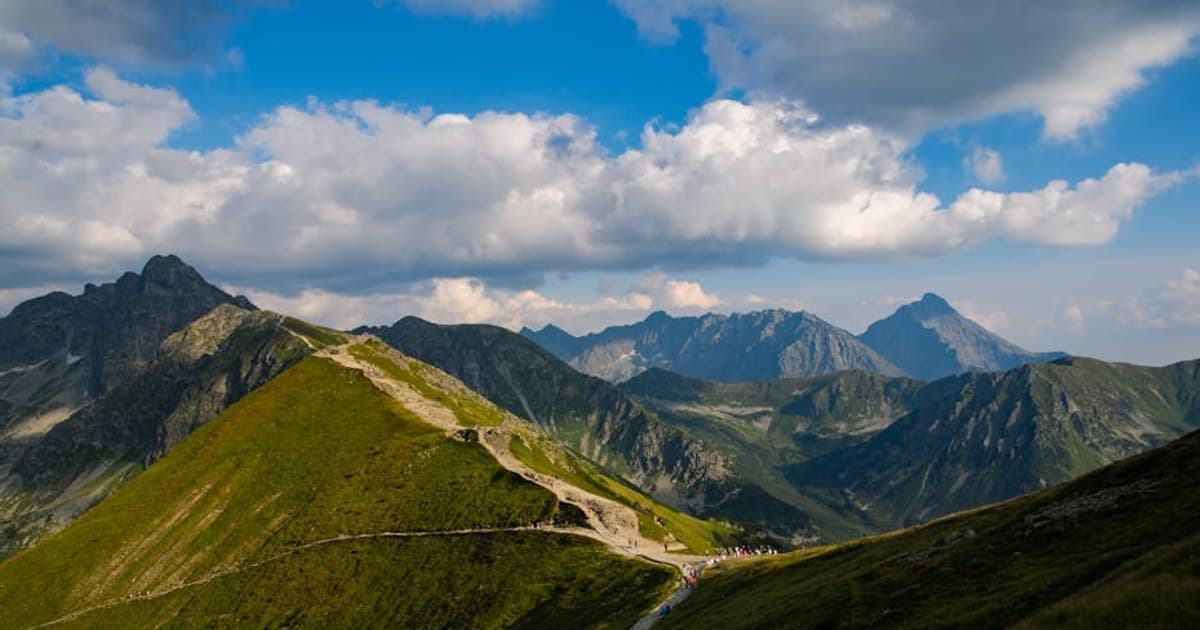
Photo by Jarosław Ponikowski on Pexels
Lost Trail Hot Springs on the Idaho state line and Jackson Hot Springs Lodge in the remote Big Hole Valley are Montana's most remote major hot-springs destinations. Both require careful cannabis planning because the nearest licensed dispensaries are significant drives away.
Lost Trail, the Idaho Line
Lost Trail Hot Springs sits on U.S. 93 at the Idaho state line, 45 miles south of Darby in the upper Bitterroot. The property is small, a single lodge and pool complex, and the surrounding area is sparse. Licensed dispensaries are 45+ miles north in Darby, Hamilton, or Missoula. Verify current licensed status via the Montana Department of Revenue Cannabis Control Division at mtrevenue.gov/cannabis/. Adults 21+ planning a Lost Trail trip should purchase on the way out and keep all consumption at the property's cabins or lodge room.
Important: crossing into Idaho with cannabis is a federal-law violation regardless of Montana's recreational legality. The border is close enough to Lost Trail that drivers need to be deliberate about staying on the Montana side with any purchased product.
Jackson, the Big Hole Remote
Jackson Hot Springs Lodge in the Big Hole Valley is Montana's most remote major hot-springs destination. The town of Jackson has perhaps 50 residents. The drive in is 80 miles south of Butte through the Pioneer Mountains, or 100 miles west of Bozeman via Ennis and the Beaverhead Valley. The nearest licensed dispensary is in Dillon or Butte.
Adults 21+ planning a Jackson trip should treat the entire drive-in window as a planning exercise: purchase at a Butte or Dillon dispensary on the way, keep all product at the lodge cabin, and treat the drive back out as a fully sober stretch with at least 8 hours of buffer after the last evening's consumption.
The Long-Drive Rule
Remote Montana hot-springs destinations pull the walk-not-drive rule into sharp focus. A cabin-evening cannabis consumption window has to leave real buffer before any morning drive, and the rural Montana two-lanes demand more attention, not less. Start low, go slow is the operative rule, especially when the trip window is multi-day and fatigue can compound with product effects.
Compliance, Quickly
- 21+ only at every dispensary and for every purchase
- Verify licensed status via the Montana Department of Revenue Cannabis Control Division at mtrevenue.gov/cannabis/
- Montana state law prohibits cannabis consumption in public spaces
- Crossing Lost Trail into Idaho with cannabis is a federal-law violation
- Remote rural drives compound the walk-not-drive rule; buffer 8+ hours after consumption before any morning departure
- Never drive after consuming, absolutely
Where to Go Next
- Montana Hot Springs and Wellness Cannabis Guide flagship
- Chico Hot Springs Paradise Valley Cannabis
- Norris and Quinn's Southwest Hot Springs
*This is editorial, not legal advice. Verify current Montana cannabis laws at mtrevenue.gov/cannabis/.*